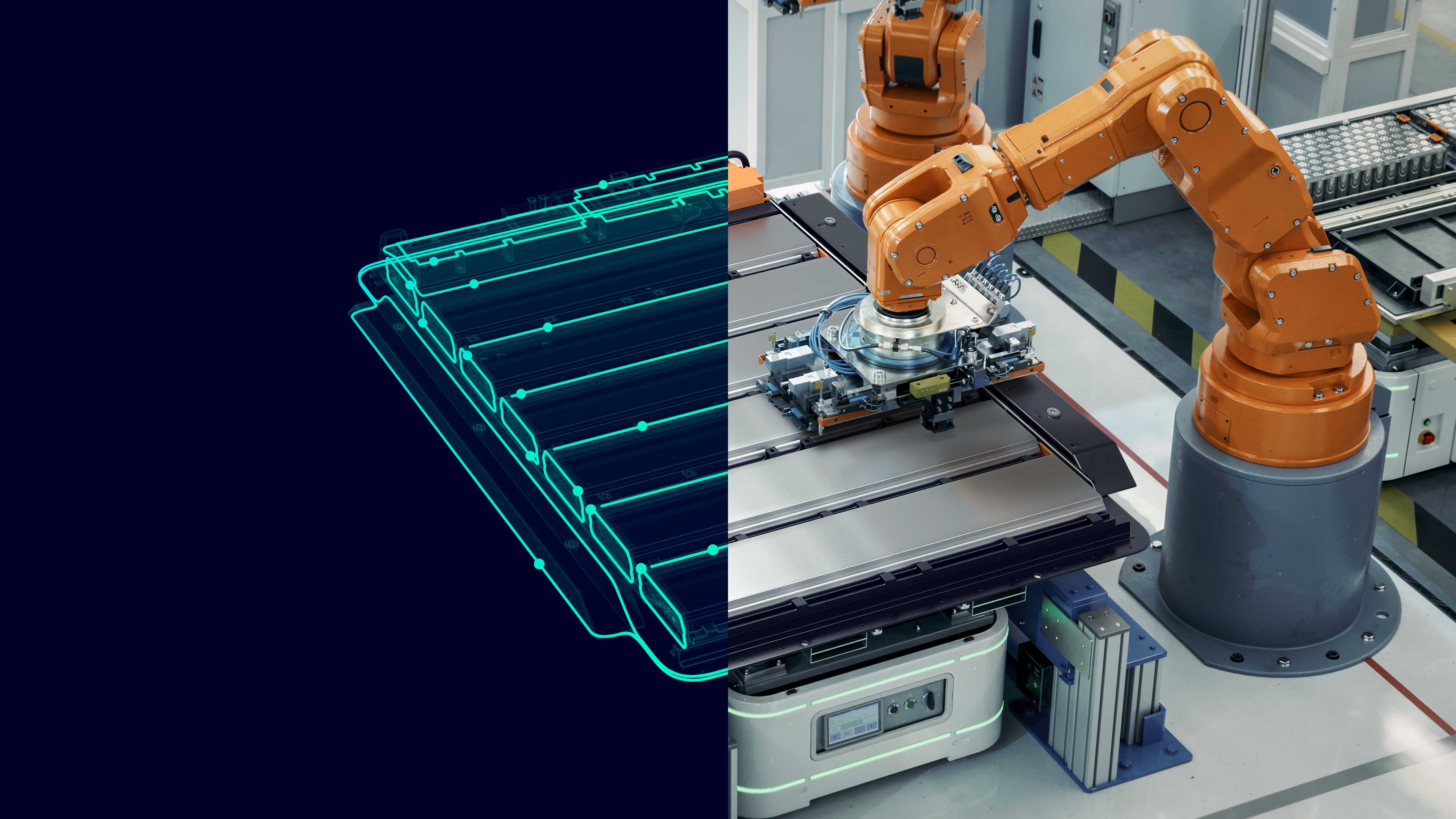
What Is a Digital Twin — Really?
A digital twin is a virtual replica of a physical asset, process, or system that is continuously updated with real-world data. Unlike a static 3D model or simulation, a digital twin lives and breathes — it reflects the current state of its physical counterpart in real-time and can predict future behavior based on historical patterns and physics-based models.
The concept is simple. The implementation is where most manufacturers struggle. At OPZ360, we have deployed digital twins across aerospace, automotive, medical device, and industrial manufacturing. This guide distills what we have learned into a practical framework you can follow.
Types of Digital Twins in Manufacturing
Not all digital twins are created equal. Understanding the spectrum helps you choose the right starting point for your maturity level and budget.
Asset Twins
The most common starting point. An asset twin models a single machine or piece of equipment — a CNC machine, injection mold press, or robotic welding cell. It ingests sensor data (vibration, temperature, power, cycle time) and provides real-time health monitoring, predictive maintenance alerts, and performance optimization recommendations.
Process Twins
Process twins model an entire production process — a paint line, assembly sequence, or heat treatment cycle. They capture the interactions between multiple assets and process parameters. This is where quality optimization becomes powerful: you can correlate hundreds of process variables with quality outcomes to identify the optimal operating envelope.
System Twins
System twins model an entire production line or facility. They integrate asset twins, process twins, material flow, logistics, and even workforce scheduling into a unified model. This is the "smart factory" vision — a complete virtual representation of your operation that enables scenario planning, capacity optimization, and strategic decision-making.
The Digital Twin Technology Stack
A functional digital twin requires four layers working together:
Data Acquisition Layer: IoT sensors, PLCs, SCADA systems, MES, and ERP provide the raw data. Edge computing performs initial processing and filtering. The quality of your digital twin is directly proportional to the quality and granularity of your data.
Data Integration Layer: This is where most implementations fail. Manufacturing data comes from dozens of disparate systems in different formats, protocols, and time scales. You need a robust data integration platform that can normalize, contextualize, and store this data. OPC-UA, MQTT, and REST APIs are the common protocols.
Modeling Layer: Physics-based models (finite element analysis, computational fluid dynamics, thermodynamic models) combined with data-driven models (machine learning, statistical process control) create the virtual representation. The physics models provide the structure; the data models calibrate and refine them.
Visualization and Interaction Layer: 3D visualization, dashboards, alerts, and what-if simulation interfaces. This is where users interact with the digital twin to make decisions. Increasingly, augmented reality overlays are used on the factory floor to overlay digital twin insights onto physical equipment.
A Phased Implementation Framework
Phase 1: Foundation (Months 1-3)
Select 1-2 critical assets for your pilot. "Critical" means high cost of failure, high maintenance spending, or high quality impact. Deploy sensors for the key parameters that drive failure modes and performance. Build the data pipeline from sensor to cloud. Create basic dashboards showing real-time asset health.
Expected outcome: Real-time visibility into asset condition. Baseline data collection for predictive models.
Phase 2: Intelligence (Months 3-6)
Train machine learning models on the collected data to detect anomalies and predict failures. Build physics-based models for the selected assets using equipment specifications, maintenance records, and engineering knowledge. Integrate the models to create a functional asset digital twin that provides maintenance recommendations.
Expected outcome: Predictive maintenance capability. 15-25% reduction in unplanned downtime on pilot assets.
Phase 3: Optimization (Months 6-12)
Expand to process-level digital twins. Connect multiple asset twins into process models. Implement what-if simulation capability. Begin using the digital twin for production planning and scenario analysis.
Expected outcome: Process optimization. Quality improvement through parameter correlation. Capacity planning capability.
Phase 4: Scale (Months 12-24)
Roll out across the facility. Build system-level digital twins. Integrate with MES and ERP for closed-loop control. Implement autonomous optimization where the digital twin directly adjusts process parameters within approved ranges.
If your MES and ERP systems need optimization before or during this phase, our MES/ERP Optimization service ensures seamless integration.
Real-World Applications
Predictive Maintenance: A defense subcontractor used asset digital twins on 12 critical CNC machines. Within 8 months, they reduced unplanned downtime by 45% and extended tool life by 20%, saving over $800K annually.
Quality Optimization: An automotive tier-1 supplier built a process digital twin for their injection molding operation. By correlating 47 process variables with part quality, they identified three previously unknown interactions that were causing intermittent defects. Scrap rate dropped from 4.2% to 1.1%.
Capacity Planning: A medical device manufacturer used a system digital twin to evaluate three expansion scenarios. The simulation showed that optimizing the existing layout with automation would deliver 90% of the capacity from a $15M expansion — at 20% of the cost.
Compliance and Quality Considerations
For regulated industries — aerospace (AS9100), medical devices (ISO 13485), automotive (IATF 16949) — digital twin implementations must align with quality management system requirements. Data integrity, validation protocols, and change management documentation are essential.
Exceleor provides ISO certification expertise that ensures your digital twin deployment meets regulatory requirements. For environmental health and safety considerations in your smart factory, ComplianceFortress offers specialized EHS auditing.
Getting Started
The biggest mistake manufacturers make with digital twins is overthinking the technology and underinvesting in the foundation. Start small. Pick one critical asset. Deploy sensors. Build the data pipeline. Prove value. Then scale.
Take our Digital Transformation Readiness Assessment to evaluate your readiness for digital twin technology, or schedule a consultation to discuss your specific manufacturing environment.